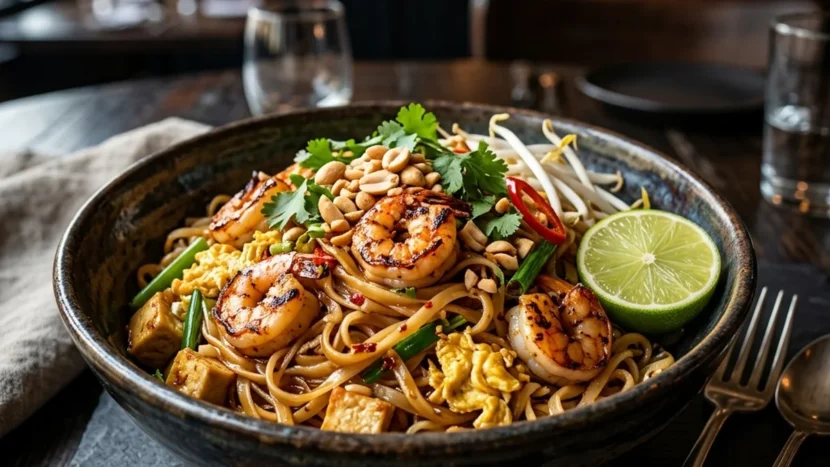
When you crave the tangy, sweet, and savory explosion of flavors that only authentic Asian street food can provide, nothing hits the spot quite like a classic Pad Thai. While it is often the default takeout order for many, recreating this iconic noodle dish at home is surprisingly fast, incredibly satisfying, and far superior in flavor when made fresh.
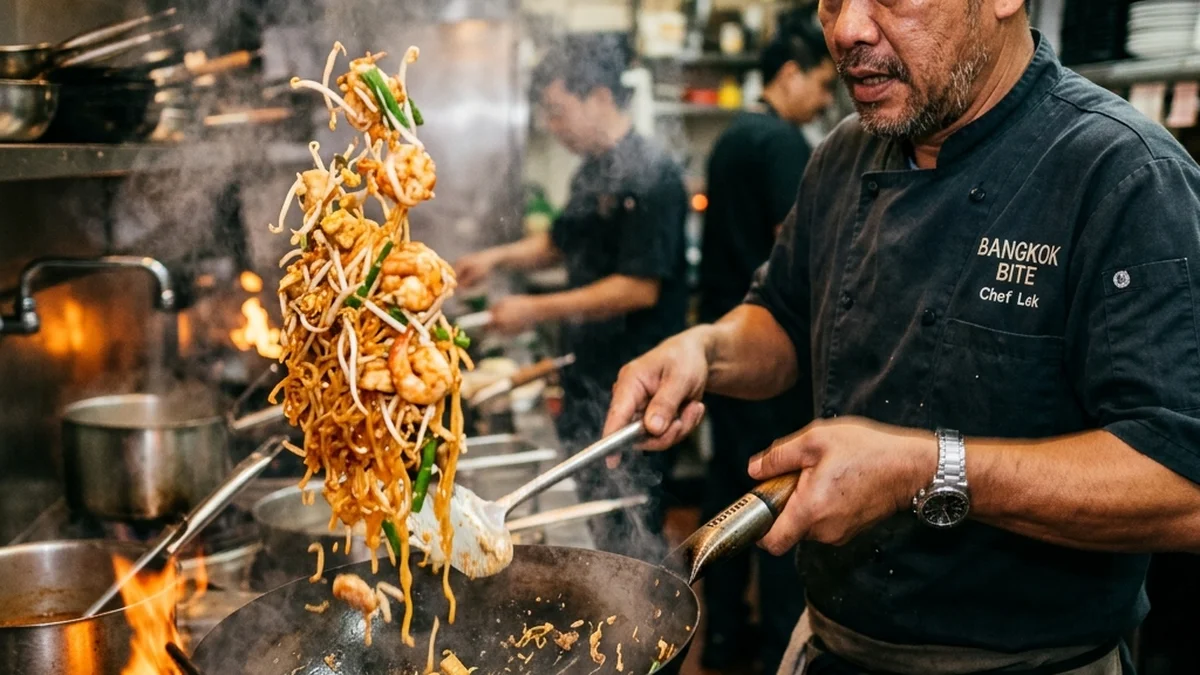
The secret to authentic Pad Thai lies not in complicated techniques, but in the rapid, high-heat cooking method and the perfect balance of the iconic tamarind-based sauce. Once your ingredients are prepped, this dish comes together in a smoking hot wok in under 10 minutes.
The Heart of Pad Thai: The Sauce
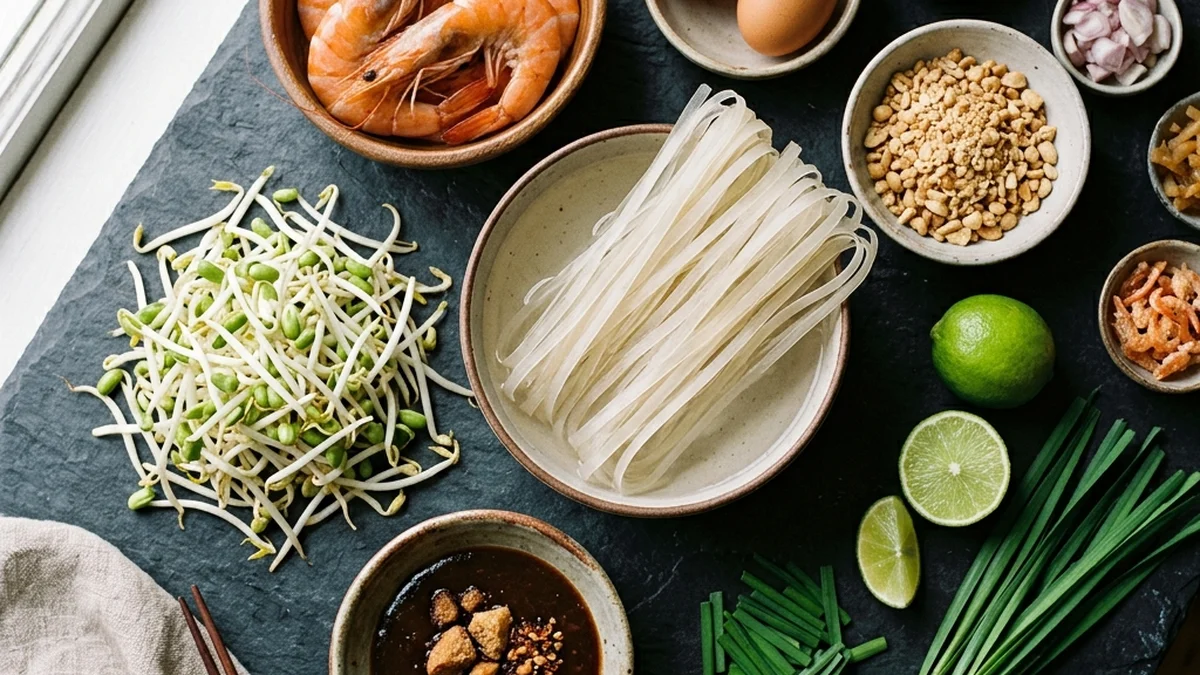
Forget the pre-bottled sauces that rely heavily on ketchup or peanut butter (neither of which belong in authentic Pad Thai). The soul of this dish comes from three powerhouse ingredients.
The Essential Flavor Trinity
- Tamarind Paste: This is the backbone of the sauce. It provides a deep, fruity, and sour tang that ketchup simply cannot replicate. Look for pure tamarind paste or concentrate in Asian supermarkets.
- Fish Sauce (Nam Pla): This provides the crucial umami and saltiness. Do not be intimidated by the smell in the bottle; it mellows perfectly when cooked and provides an irreplaceable savory depth.
- Palm Sugar: For the characteristic sweetness, palm sugar adds a caramel-like complexity. If you cannot find it, brown sugar is an acceptable substitute.
How to Make Authentic Pad Thai at Home
Because the cooking process is so fast, the most important step in this recipe is the mise en place. You must have all your ingredients chopped, measured, and sitting right next to your stove before you turn on the heat.
1. Prepare the Noodles
Use medium-width dry rice noodles (often labeled as Pad Thai noodles or rice sticks). Do not boil them! Boiling makes them mushy. Instead, soak them in warm water for 20-30 minutes until they are pliable but still slightly firm (al dente) in the center. Drain them well.
2. Sear the Protein
Heat a carbon steel wok or a very large skillet over high heat until smoking. Add a tablespoon of neutral oil. Toss in your fresh shrimp (or sliced chicken) and stir-fry rapidly for 1-2 minutes until just opaque. Remove the protein from the wok and set aside so it does not overcook.
3. Aromatics and Eggs
Add a touch more oil to the wok. Toss in minced garlic, shallots, and sweet preserved radish (if available). Stir-fry for 15 seconds until fragrant. Push the aromatics to one side of the wok and crack two eggs into the empty space. Scramble them quickly just until they begin to set.
4. Bring it Together
Add the drained rice noodles to the wok, pouring the prepared tamarind sauce directly over them. Toss vigorously! The high heat will cause the sauce to caramelize and absorb into the noodles. Add the cooked shrimp back in, along with a handful of fresh bean sprouts and garlic chives (or green onions).
5. Garnish and Serve
Remove from heat immediately. Serve the Pad Thai steaming hot, garnished generously with crushed roasted peanuts, extra bean sprouts for crunch, and a crucial wedge of fresh lime. The fresh lime juice squeezed over the top cuts through the richness and balances the sweet and salty flavors perfectly.
If you have room for dessert after this spectacular dinner, our elegant Classic French Crème Brûlée is the perfect, sophisticated finish to your meal.