Navigating the grocery store aisles when you are avoiding wheat, gluten, and dairy at the same time can initially feel like learning a foreign language. Between hidden wheat starches in spice blends, barley malt in breakfast cereals, and milk-derived casein or whey powder tucked into seemingly innocent potato chips, transitioning to gluten free dairy free food requires a clear, practical roadmap.
The encouraging news? Once you shift your focus away from overpriced specialty “free-from” packaged snacks and build your kitchen around naturally whole, vibrant ingredients, eating wheat-free and dairy-free becomes deeply delicious, energizing, and surprisingly budget-friendly. In this ultimate culinary guide, we cover everything from safe whole grains and hidden label traps to dairy-free cooking swaps and a complete 7-day meal blueprint.
Understanding Gluten Free Dairy Free Food: Wheat-Free vs. Celiac-Safe
Before stocking your pantry, it is crucial to understand the distinction between “wheat-free” and “gluten-free,” as well as why dairy sensitivity so frequently accompanies gluten intolerance.
What Qualifies as True Gluten Free Dairy Free Food?
When building a diet around gluten free dairy free food, three core nutritional principles apply:
- Gluten Includes Wheat, Barley, Rye, and Triticale: While a “wheat-free” product contains no wheat (including spelt, kamut, farro, semolina, or durum), it may still contain barley malt or rye. Conversely, anything certified gluten-free is automatically 100% wheat-free, barley-free, and rye-free (meeting the strict FDA standard of under 20 parts per million of gluten).
- Why Dairy and Gluten Sensitivities Overlap: For individuals with celiac disease or non-celiac gluten sensitivity, inflammation along the microvilli of the small intestine temporarily reduces the body’s production of lactase—the enzyme required to digest lactose in cow’s milk. Furthermore, the protein structure of A1 beta-casein in dairy closely resembles gluten proteins, which can trigger cross-reactive discomfort.
- Lactose-Free Does Not Mean Dairy-Free: Products labeled “lactose-free” (such as lactose-free cow’s milk or aged cheddar) still contain dairy proteins (casein and whey). True dairy-free foods contain zero animal milk derivatives.
Looking for immediate meal inspiration as you stock your kitchen? Browse our Easy Dinner Ideas for Busy Weeknights, whip up a glass of our naturally plant-based Vegan Korean Strawberry Milk, or season tonight’s proteins with our filler-free Easy Homemade Taco Seasoning.
The Ultimate Master Food List: Naturally Safe Whole Foods
Instead of dwelling on what you cannot eat, anchor your weekly grocery cart around these naturally wheat-free, gluten-free, and dairy-free food groups:
| Food Category | 100% Safe Gluten-Free & Dairy-Free Foods | Hidden Traps to Avoid on Labels |
|---|---|---|
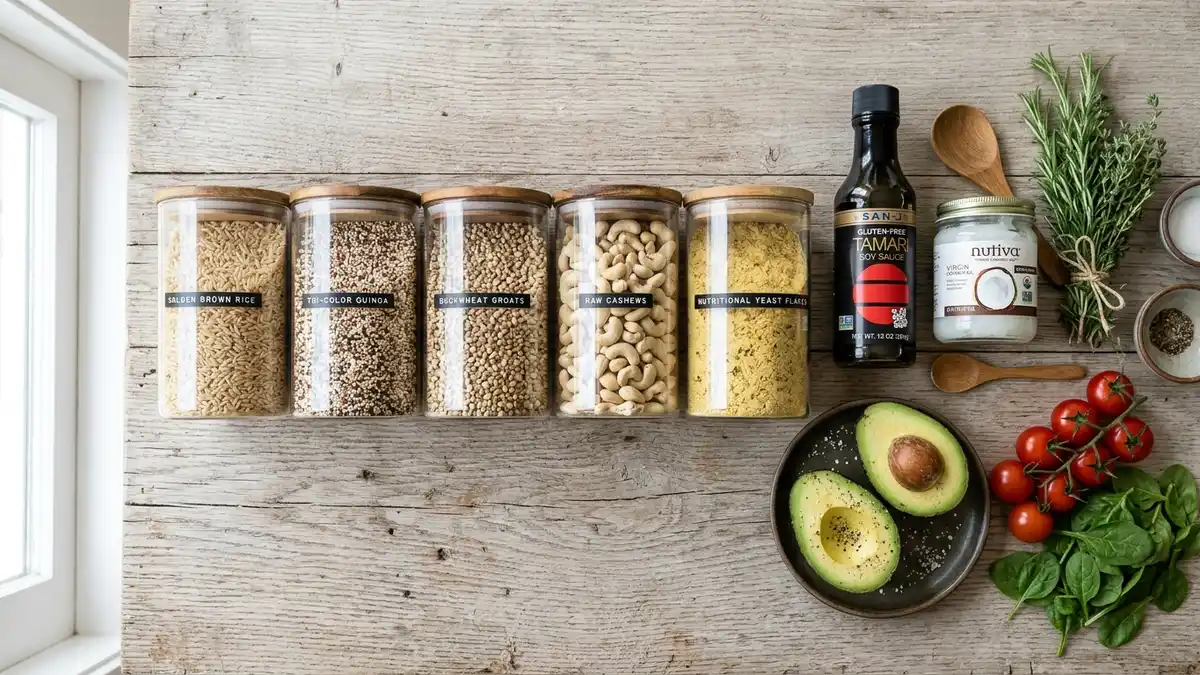
| Grains, Starches & Pseudocereals | Rice (brown, jasmine, basmati, wild), quinoa, millet, buckwheat, sorghum, teff, amaranth, 100% cornmeal/polenta, certified GF oats, potatoes, sweet potatoes, cassava, tapioca. | Couscous, bulgur, farro, spelt, orzo, regular oats (contaminated in wheat mills), and seasoned rice pilaf packets containing wheat soy sauce or whey. |
| Proteins & Legumes | Fresh chicken, turkey, beef, pork, lamb, wild salmon, shrimp, cod, pasture-raised eggs, black beans, chickpeas, lentils, edamame, organic tofu, tempeh. | Pre-marinated meats, rotisserie chickens injected with modified food starch or butter broth, imitation crab (surimi contains wheat), and deli cold cuts with casein binders. |
| Plant Milks & Healthy Fats | Unsweetened almond milk, coconut milk (canned & carton), cashew milk, certified GF oat milk, extra-virgin olive oil, avocado oil, unrefined coconut oil, tahini, avocado, nuts, seeds. | Non-dairy coffee creamers containing “sodium caseinate” (a milk protein!), standard oat milks made from non-certified oats, and margarines containing whey solids. |
| Condiments & Seasonings | Gluten-free tamari, coconut aminos, apple cider vinegar, Dijon mustard, pure maple syrup, raw honey, nutritional yeast, single-ingredient herbs and spices. | Conventional soy sauce (brewed with wheat), malt vinegar (made from barley), commercial salad dressings thickened with xanthan/dairy whey, and store-bought taco packets. |
Smart Culinary Swaps for Cooking & Baking Without Wheat or Dairy
1. Replacing Butter, Cream, and Cheese in Savory Cooking
- For High-Heat Sautéing & Roasting: Use avocado oil or extra-virgin olive oil. For baking pie crusts or biscuits, solid unrefined coconut oil or vegan block butter (made from cultured plant oils like Miyoko’s or Country Crock Plant Butter sticks) mimics the flakiness of dairy butter 1:1.
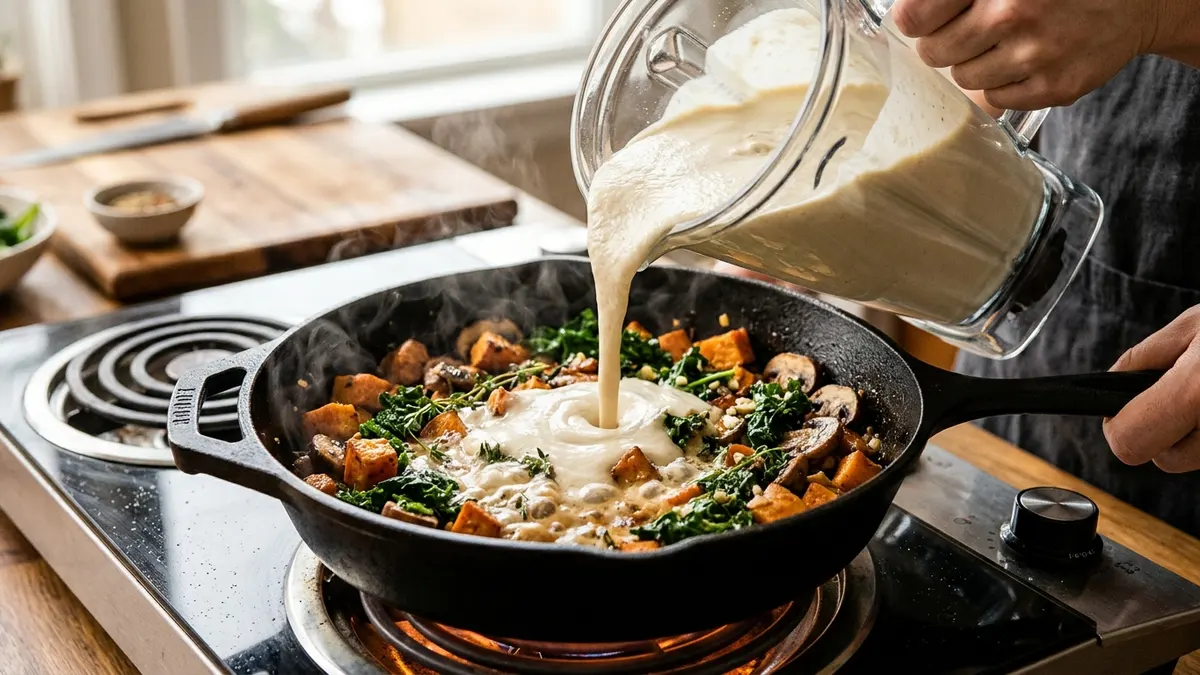
- For Creamy Soups & Pasta Sauces: Blend 1 cup of raw cashews soaked in hot water for 10 minutes with ¾ cup of vegetable or chicken broth until velvety smooth. It replaces heavy whipping cream in tomato soups, alfredo sauces, and curries without any coconut flavor!
- For Cheesy Umami Flavor: Combine 3 tablespoons of nutritional yeast, ½ cup of raw cashews, 1/2 teaspoon of garlic powder, and ½ teaspoon of sea salt in a food processor and pulse into a sandy crumble. Store in a glass jar in the fridge and shake over pasta, salads, and roasted vegetables just like grated Parmigiano-Reggiano.
2. Replacing Wheat Flour in Everyday Recipes
- For Dredging Chicken, Fish, or Tofu: Use a 50/50 mix of fine brown rice flour and arrowroot starch (or tapioca starch). It fries up lighter, crisper, and less greasy than wheat flour ever could!
- For Binding Meatballs, Burgers & Crab Cakes: Replace traditional bread crumbs with certified gluten-free rolled oats pulsed briefly in a blender, or almond flour mixed with crushed gluten-free rice crackers.
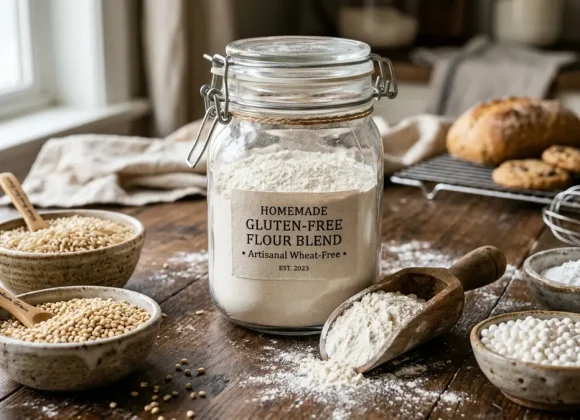
- For Muffins, Pancakes & Quick Breads: A balanced blend of fine brown rice flour, sweet white sorghum flour, and tapioca starch prevents the gritty texture common in single-flour substitutes.
Sample 3-Day Gluten-Free Dairy-Free Meal Blueprint
- Day 1:
- Breakfast: Warm cinnamon-apple certified gluten-free oatmeal made with creamy almond milk, walnuts, and chia seeds.
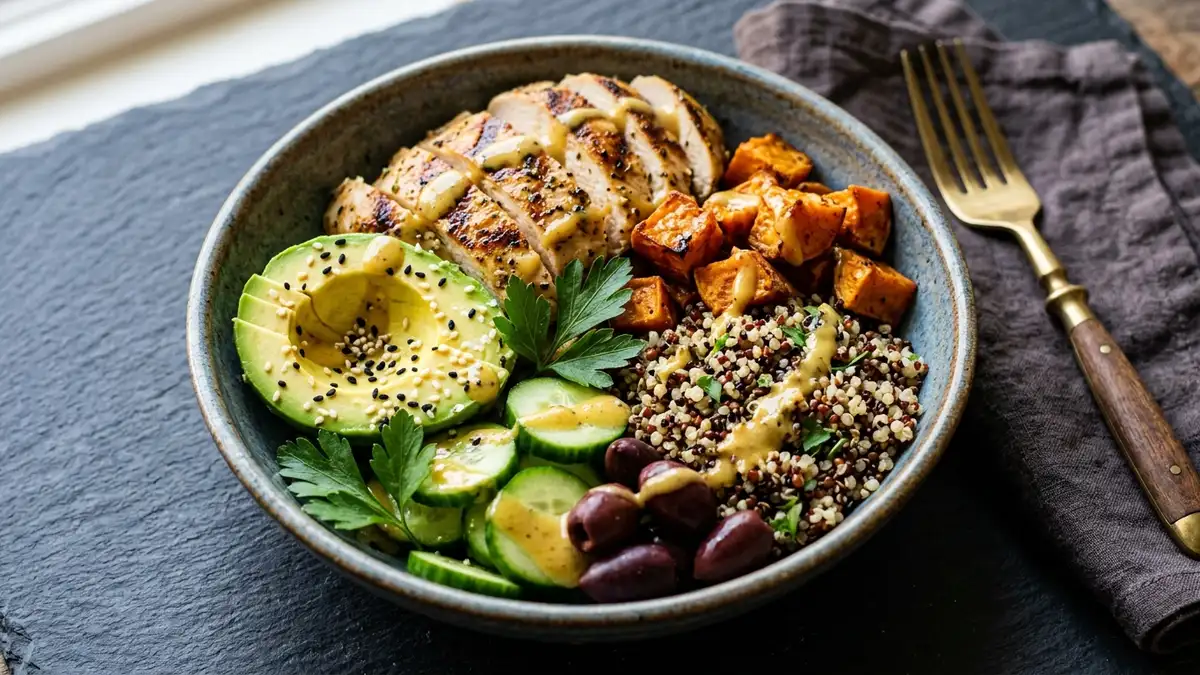
- Lunch: Mediterranean quinoa power bowl with grilled lemon-oregano chicken, cucumber, tomatoes, Kalamata olives, and tahini-lemon drizzle.
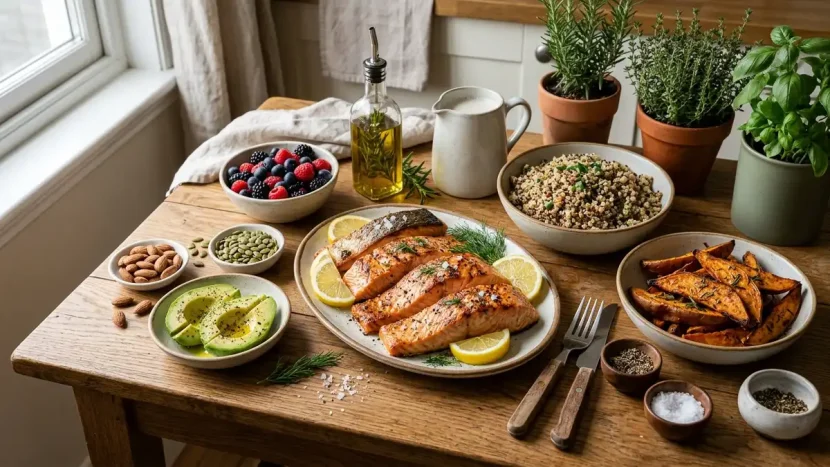
- Dinner: 1-Skillet Garlic Herb Salmon with roasted asparagus and crispy smashed fingerling potatoes in olive oil.
- Day 2:
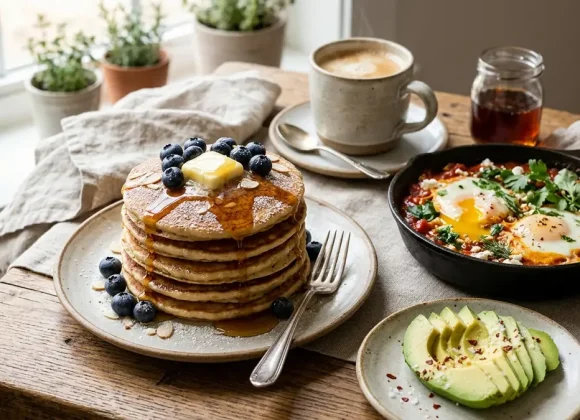
- Breakfast: Two slices of toasted Yeast-Free Gluten-Free Whole Grain Seeded Bread or our Easy Wheat-Free Gluten-Free Sandwich Bread topped with smashed avocado, hemp seeds, and poached pasture-raised eggs.
- Lunch: Hearty Texas-Style Beef Chili topped with diced avocado, cilantro, and baked 100% corn tortilla strips.
- Dinner: 20-Minute Thai Basil Ground Turkey Stir-Fry over fluffy jasmine rice with steamed bok choy.
- Day 3:
- Breakfast: Berry-spinach protein smoothie blended with unsweetened coconut milk, almond butter, and flaxseed meal.
- Lunch: Loaded Chicken Cobb Salad (dairy-free style with extra avocado, crisp bacon, hard-boiled eggs, and red wine vinaigrette).
- Dinner: Chickpea rotini pasta tossed with homemade basil-pine nut-nutritional yeast pesto and blistered cherry tomatoes.
Embracing a kitchen filled with naturally wheat-free, gluten-free, and dairy-free whole foods isn’t about restriction—it is an invitation to discover brighter flavors, cleaner energy, and meals that leave everyone around your table feeling their absolute best.