Dive into the art of baking as we explore the secrets to achieving a rich flavor in cakes, a goal every baker aspires to. This comprehensive guide is dedicated to unraveling the elements that contribute to the luxurious taste and complex flavors of cakes, ensuring every creation mesmerizes the taste buds with its depth of flavor. Whether you’re a seasoned baker or a curious beginner, mastering the richness in cakes is within reach. Join us on this flavorful journey, where we’ll share insights and tips on selecting the right ingredients and techniques to enhance the rich flavor profile of your cakes, making every slice an unforgettable experience.

Crafting the Foundation for Rich Flavor in Cakes
Butter and Oils: Key to Luxurious Cake Taste
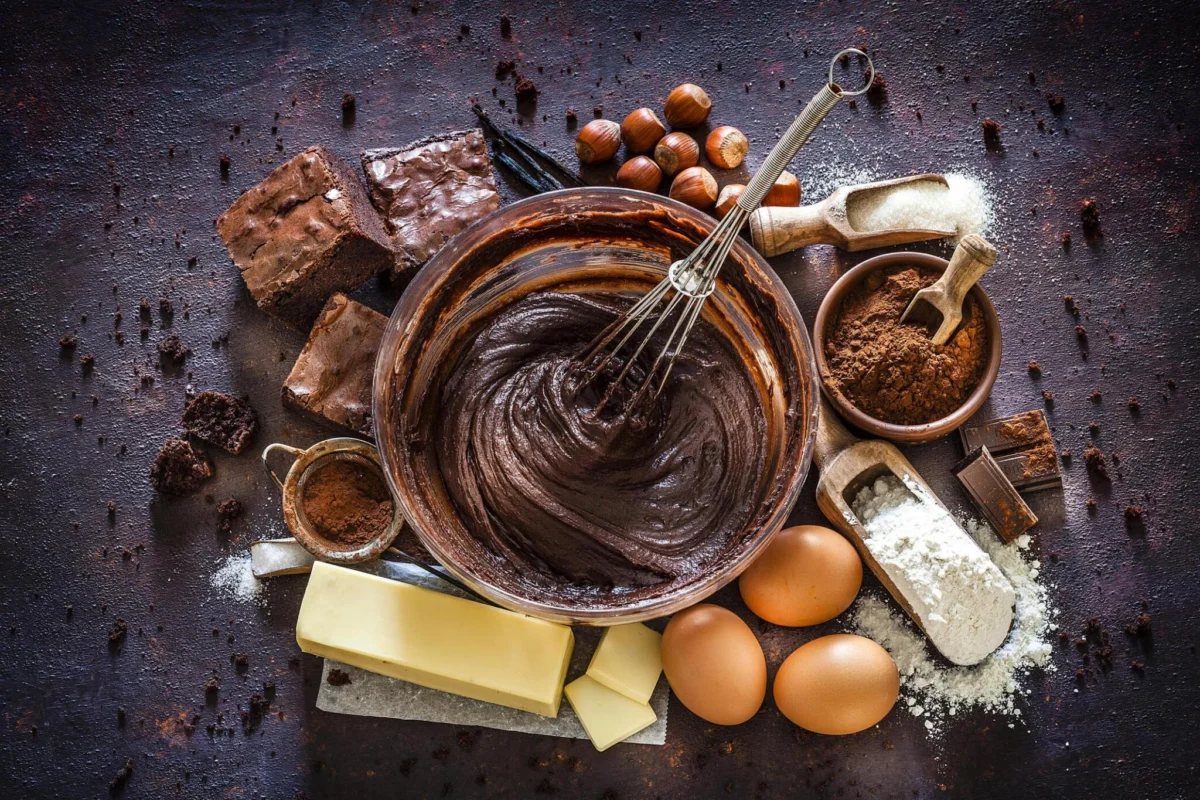
Butter whispers secrets of flavor and moisture into cakes. Its creamy texture and melt-in-the-mouth feel are unbeatable. But let’s not forget oils. They keep cakes moist for days, making every slice as good as the first. Whether it’s the richness of butter or the lasting moistness from oils, both are indispensable. Fats like butter and oil are the cornerstone of adding depth to a cake’s flavor. They ensure that each slice is moist, tender, and packed with a rich taste that lingers on the palate.Sweeteners: Crafting the Sweet Depth of Cake Flavor
Sugars do more than sweeten. They’re texture magicians, creating tender crumbs. From white sugar’s simplicity to brown sugar’s moist, molasses-laden depth, each has its role. And for those seeking alternatives, honey and maple syrup offer natural sweetness, each adding a unique twist to the flavor profile.The choice of sweeteners goes beyond mere sweetness, adding layers of flavor complexity that contribute significantly to the rich flavor of cakes. From honey’s floral notes to molasses’ earthy richness, each sweetener adds its unique signature.
Enhancing the Richness in Cake Flavors Through Techniques
Eggs: Structure and Richness
Eggs, the backbone of many a cake, lend structure and richness. They bind ingredients, giving cakes their form. The yolks, rich in fats, contribute to the cake’s luxurious texture, making every bite a creamy delight. Meanwhile, the whites, when whipped, introduce air, making the cake light and fluffy.Dairy Products: Creaminess and Moisture
Dairy products, such as milk, buttermilk, and cream, are secret weapons for moisture and creaminess. Milk ensures a smooth batter, leading to a soft cake texture. Buttermilk, with its tang, adds complexity to the flavor, while cream introduces a richness that’s hard to match. Each plays a part in creating cakes that are not just tasty but also have a mouth-wateringly tender crumb.Indeed, these enhancers are pivotal in turning a good cake into a great one. Next, we’ll dive into the world of specialty ingredients. Chocolate, cocoa, fruits, and nuts await to add their signature flavors and textures to our baking masterpiece. Stay with us, as the journey into cake richness gets even more exciting.Decorative Elements That Elevate Cake Flavor
Chocolate and Cocoa: Depth of Flavor
When it comes to adding a deep, rich flavor to cakes, chocolate and cocoa powder stand unrivaled. Chocolate, with its creamy and luxurious texture, melts into the batter, offering a decadent experience. Cocoa powder, on the other hand, imparts a bittersweet depth, enhancing the overall flavor profile of the cake. Both ingredients are essential for those chocolatey delights that make our hearts and taste buds sing.Fruits and Nuts: Texture and Taste
Fruits and nuts are like jewels in a cake, providing bursts of flavor and varied textures. Fresh fruits add moisture and a natural sweetness, while dried fruits offer concentrated flavors and a chewy texture. Nuts contribute a crunch that contrasts beautifully with the softness of the cake, along with a nutty richness that complements both fruity and chocolate cakes.Each of these specialty ingredients plays a pivotal role in crafting cakes that are not just treats for the taste buds but also feasts for the eyes. Up next, we’ll explore the world of spices and extracts, the final touch in our quest for the ultimate cake richness. Join us as we delve into how these aromatic additions can transform your baking creations.Spices and Extracts
Vanilla and Other Extracts: Aromatic Flavors
Vanilla extract, a baker’s best friend, brings a warm, rich aroma that enhances almost any cake. But why stop there? Almond, lemon, and orange extracts can transform a simple cake into a flavorful masterpiece. These extracts add layers of aroma and depth, elevating the cake’s overall taste profile. A dash can make all the difference, turning the ordinary into the extraordinary.Spices: Warmth and Complexity
Spices introduce warmth and complexity to cakes, creating flavors that linger on the palate. Cinnamon adds a sweet, woody warmth, perfect for fall-inspired cakes. Nutmeg offers a nutty, spicy sweetness, while cloves bring a bold, pungent kick. For chocolate cakes, a pinch of chili powder can enhance the chocolate’s richness without overwhelming it. These spices can transform a cake from simple to sophisticated with just a sprinkle.With spices and extracts, the possibilities are endless. They allow bakers to experiment and find the perfect blend of flavors for any occasion. As we wrap up our journey through the ingredients that contribute to cake richness, we move towards concluding thoughts on how to leverage these insights for baking perfection. Stay tuned for the final wrap-up, where we’ll bring together all the elements that make a cake truly unforgettable.
Advanced Baking Techniques for Flavor Enhancement
Understanding the Science of Emulsification
Emulsification is a crucial technique for achieving a stable and uniform mixture of ingredients that typically don’t mix well, such as oil and water. By mastering emulsification, bakers can ensure their cakes have a uniform crumb and a moist texture. An example of this technique in action is the thorough mixing of eggs and oil, which helps to create an emulsion that traps air and moisture, contributing to a tender and airy cake.Utilizing Sous-vide for Precise Flavor Infusion
Sous-vide, a technique often associated with savory cooking, involves cooking ingredients at a precise temperature in a vacuum-sealed bag. This method can be ingeniously applied to infuse cakes with intense flavors. For instance, baking vanilla beans, citrus zest, or spices in a sous-vide with a base ingredient like butter allows for a deep, uniform flavor infusion that’s hard to achieve through traditional means.The Role of Temperature in Developing Flavors
Temperature control plays a vital role in baking. Not only does it affect the cake’s rise and texture, but it also influences flavor development. Techniques like cold fermentation of dough or batter can enhance the complexity of flavors over time. Additionally, understanding the Maillard reaction—a chemical reaction between amino acids and reducing sugars that gives browned foods their distinctive flavor—can help bakers achieve a richer taste in their cakes.Exploring Molecular Gastronomy in Cake Baking
Molecular gastronomy offers a world of possibilities for flavor enhancement and texture innovation in cake baking. Ingredients like hydrocolloids (e.g., xanthan gum, agar-agar) can be used to create gels or foams that add unique textural contrasts to cakes. Similarly, techniques such as spherification can be employed to create burst-in-your-mouth flavor capsules, adding an element of surprise and delight to each bite.By incorporating these advanced techniques into your baking repertoire, you can push the boundaries of traditional cake baking and explore new dimensions of flavor and texture. Whether you’re a seasoned baker or an enthusiastic beginner, these methods offer exciting challenges and opportunities for creative expression in the kitchen. Continue experimenting, learning, and, most importantly, enjoying the process of creating cakes that are not just delicious but truly extraordinary.The Impact of Ingredient Quality and Sourcing
Choosing High-Quality Flour for a Perfect Crumb
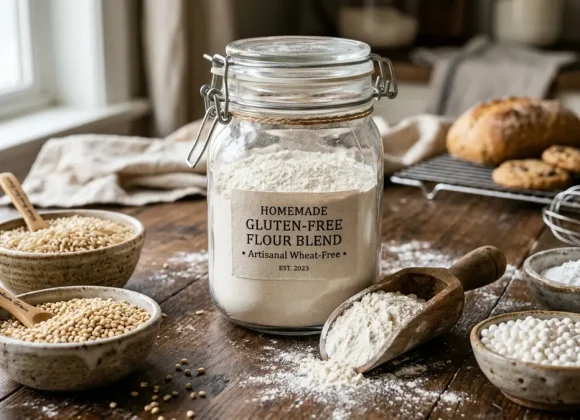
The type of flour used in cake baking can greatly affect the texture and flavor of the final product. Opting for high-quality, finely milled flour can lead to a lighter, more delicate crumb. Additionally, exploring the varieties—such as cake flour or pastry flour, known for their lower protein content—can enhance the tenderness of cakes. The choice of flour underscores the importance of starting with the best base ingredient for exquisite results.The Sweet Difference: Natural Sweeteners and Their Unique Flavors
Beyond common granulated sugar, the world of sweeteners is vast and varied. Natural sweeteners like honey, maple syrup, and molasses not only add sweetness but also impart their unique flavors and nuances. Sourcing high-quality, organic sweeteners can introduce a new dimension of taste to cakes, elevating their flavor profile beyond simple sweetness.Butter and Dairy: The Creaminess Factor
The richness of a cake is often directly related to the quality of butter and dairy products used. Grass-fed butter, for example, is renowned for its superior taste and nutritional benefits. Similarly, using fresh, full-fat milk or cream from reputable sources can add unparalleled creaminess and moisture to cakes. These ingredients play a crucial role in achieving the desired richness and depth of flavor in baking.Fruits, Nuts, and Additives: The Importance of Freshness and Origin
Fresh, high-quality fruits and nuts can dramatically enhance the flavor and texture of cakes. Seasonal, locally sourced fruits often offer better taste and nutrient content, making cakes more flavorful and vibrant. Similarly, nuts from specialized growers ensure freshness and richness. Understanding the origin and treatment of these ingredients can help bakers make informed choices that contribute to the overall excellence of their creations.In conclusion, the quality and sourcing of ingredients are fundamental to the success of richly flavored cakes. By choosing the best possible components, bakers not only elevate the taste and texture of their cakes but also enrich the overall baking experience. As we continue to explore and appreciate the art of cake baking, let’s remember that every ingredient holds the potential to transform a simple cake into an extraordinary culinary masterpiece.
Presentation and Finishing Touches
Embracing the Art of Decoration
A cake’s flavor is paramount, but its presentation can significantly enhance the overall experience. After all, we eat with our eyes first. Mastering simple yet elegant decoration techniques can transform a delicious cake into a visual masterpiece. Consider silky smooth frosting, delicate chocolate shavings, or vibrant fruit toppings as ways to add color, texture, and flavor. Moreover, a dusting of powdered sugar or cocoa powder can offer a simple but sophisticated touch.Incorporating Edible Flowers and Gold Leaf
For those special occasions, edible flowers and gold leaf can add a touch of luxury and sophistication to any cake. Edible flowers, with their subtle flavors and stunning colors, bring a fresh, botanical element to cake decoration. On the other hand, gold leaf, though flavorless, brings an unmatched elegance and opulence, making your cake not just a dessert but a statement piece.Personalization: Making Every Cake Unique
Finally, personalizing your cake adds a memorable touch that resonates with the recipient. Whether it’s a message piped in elegant script or decorations tailored to the individual’s interests, personalization makes the cake truly special. This thoughtful consideration shows not only your baking skills but also your dedication to creating an experience that celebrates the occasion and the person.As we wrap up this guide, remember that baking is not just about following recipes but also about expressing creativity and bringing joy to others. Whether through the rich flavors, exquisite decorations, or personal touches, each cake you bake is an opportunity to spread happiness and make lasting memories. Keep exploring, experimenting, and, most importantly, enjoying the journey of baking.