
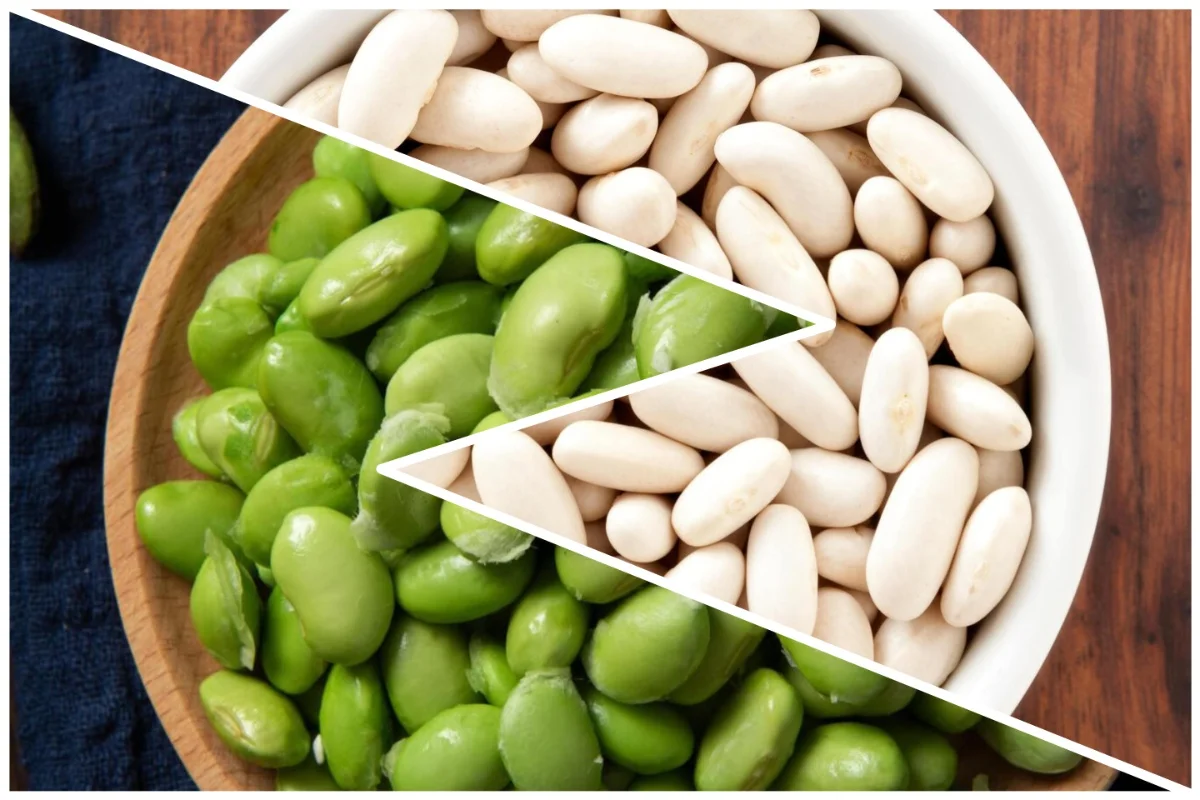
In the realm of legumes, a frequently asked question stirs the pot of culinary curiosity: What is the difference between lima beans and butter beans? This inquiry, seemingly simple, unfolds a narrative rich in botanical insights, nutritional nuances, and a dash of culinary tradition. As we embark on this journey, let’s unravel the mystery that has puzzled chefs and home cooks alike, shedding light on these two cherished beans. From their origins to their place on our plates, we’re about to explore every facet, ensuring you’ll never look at these beans the same way again.

Understanding Lima and Butter Beans
Definition and Origins
Lima beans (Phaseolus lunatus), named after the city of Lima in Peru, are a testament to the rich agricultural tapestry of the Americas. Cultivated in their native land for thousands of years, these beans have become a global staple, beloved for their nutritional value and culinary versatility.Butter beans, often regarded as the mature counterpart to lima beans, share more than just a botanical lineage; they embody the warmth and comfort of Southern cooking. With their creamy texture and rich flavor, butter beans have carved their niche in the heart of comfort food.Physical Characteristics
At first glance, it might appear as two peas in a pod, yet subtle differences mark their identity. Lima beans, typically green and kidney-shaped, boast a starchy yet buttery texture. They’re often harvested young, capturing their delicate flavor.Conversely, butter beans, with their larger size and creamier consistency, offer a rich, buttery flavor that lives up to their name. Their pale color and velvety texture make them a favorite in hearty dishes.In this initial exploration, we’ve only just scratched the surface. As we delve deeper, the distinctions and similarities between these leguminous cousins will become even clearer, revealing the unique roles they play in our diets and dishes.
Nutritional Profile Comparison
Nutritional Content
When comparing the nutritional content of lima and butter beans, it’s essential to recognize that both offer a wealth of health benefits. Packed with fiber and protein, these beans support a healthy diet, contributing to muscle maintenance and digestive health. They’re also rich sources of essential minerals like iron, magnesium, and potassium, which play critical roles in everything from oxygen transport to muscle function and blood pressure regulation.Health Benefits
The high fiber content in both lima and butter beans aids in promoting a feeling of fullness, which can help in weight management. This dietary fiber also supports digestive health by helping to maintain regular bowel movements and may contribute to lowering cholesterol levels. Furthermore, the protein content makes them an excellent choice for plant-based diets, providing a substantial non-animal source of this crucial macronutrient.Moreover, these beans are low in fat and calories, making them an ideal part of a heart-healthy diet. Their nutrient density, including essential vitamins and minerals, supports overall health, contributing to a balanced and nutritious diet.In essence, while lima and butter beans may differ in texture and culinary uses, nutritionally, they share many similarities. Both are powerhouse ingredients that can enhance a diet focused on health and well-being. As we continue to explore these legumes, their versatility in the kitchen becomes increasingly apparent, adding another layer to their appeal.
Culinary Uses and Preferences
Texture and Flavor
Lima and butter beans differ in texture and flavor. Lima beans have a firmer bite and a subtle sweetness. They fit well in salads and sides. Butter beans are creamy and rich, enhancing stews and casseroles with their velvety texture.Popular Recipes
For lima beans, think summer salads or brothy soups. They excel when sautéed with garlic and herbs, making a nutritious side. Butter beans star in comfort foods. They absorb flavors in slow-cooked dishes like succotash or tomato-based casseroles. Also, they’re great for creamy dips.Both beans offer culinary versatility. Whether seeking freshness or comfort, Both cater to various dishes and tastes. Next, we’ll explore the botanical aspects that define them. This will shed light on their distinct qualities.Botanical Insights
Botanical Classification
Both lima and butter beans belong to the species Phaseolus lunatus. This shared botanical lineage highlights their close relationship. Yet, differences in development stages and environmental factors influence their growth.Growth and Harvesting Differences
Lima beans are picked young and tender. Their green pods signify early harvest. This stage captures a sweet, slightly grassy flavor. Butter beans are allowed to mature longer. They develop a creamier texture and a richer flavor. The environment, including climate and soil, plays a crucial role. It influences whether a bean is harvested young or left to mature.These botanical insights enrich our understanding of lima and butter beans. They remind us of the dance between nature and nurture in the culinary world. With this knowledge, we appreciate the diverse bean varieties on our plates.Nutritionally what is the difference between lima beans and butter beans?
When it comes to their nutritional value, lima and butter beans both pack a punch, offering a variety of health benefits that contribute to a balanced diet. Despite their culinary differences, nutritionally, they are quite similar, yet each brings its unique strengths to the table.Nutritional Content of Lima Beans
Lima beans stand out for their high fiber content, aiding digestion and promoting a healthy gut. Additionally, they are a fantastic source of plant-based protein, supporting muscle health and overall wellness. Rich in essential nutrients like iron, magnesium, and potassium, lima beans are not only nutritious but also versatile in meeting dietary needs.Nutritional Content of Butter Beans
Butter beans, being the mature version, might have a slightly higher calorie content, but the difference is minimal. They share the healthful benefits of lima beans, including being rich in fiber and protein. Butter beans also offer vital nutrients, such as calcium for bone health and folate for DNA synthesis and repair. Their creamy texture doesn’t come at the expense of a high-fat content, making them a heart-healthy choice that can satisfy hunger without adding unnecessary fats to your diet.Both lima and butter beans enhance heart health and may help in managing blood sugar levels. However, for those with specific health conditions like gout, it’s advisable to consume them in moderation. Always consult with a healthcare provider before making significant changes to your diet. Overall, these beans are nutritious choices that can diversify your diet healthily.