

In the world of legumes, the confusion between butter beans and cannellini beans often arises. Both beans are cherished in kitchens worldwide for their versatility, flavor, and nutritional value. Yet, they are not the same. This article aims to clear up the confusion, offering insights into their differences, uses, and benefits. So, let’s delve into the distinct worlds of butter beans and cannellini beans, unraveling the mystery that often surrounds these two popular legumes.


Defining Butter Beans and Cannellini Beans
Butter Beans Overview
Butter beans, also known as large lima beans, boast a creamy texture and a buttery flavor that many find irresistible. Typically found in Southern cooking, they’re a staple in dishes that require a velvety, rich component. Their size, often up to an inch and a half in length, makes them stand out in stews and casseroles.Cannellini Beans Overview
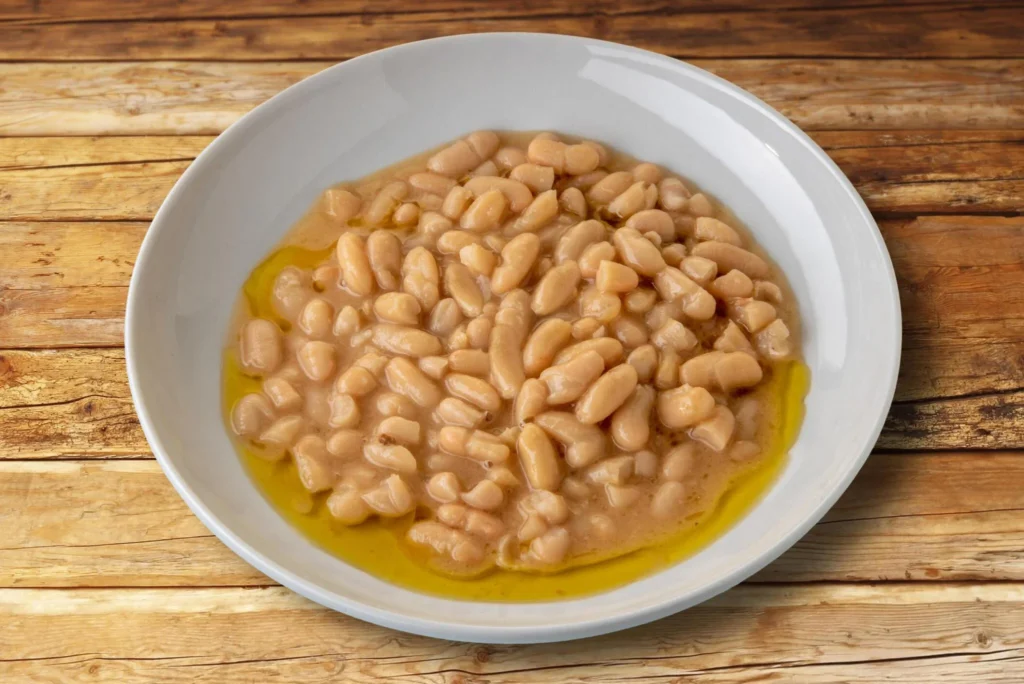
Cannellini beans, on the other hand, are a type of white kidney bean, known for their nutty flavor and firm texture. These beans are a cornerstone of Italian cuisine, making a notable appearance in soups, salads, and pasta dishes. Smaller than butter beans, cannellini beans usually grow no longer than ½ an inch and hold their shape well when cooked.Both beans bring their unique flavors and textures to the table, enhancing a variety of dishes with their presence. As we explore further, the nuances between these two beans will become even clearer, guiding you in making the best choice for your culinary creations.
Key Differences Between Butter Beans and Cannellini Beans
Size and Appearance
One of the most noticeable differences lies in their size and appearance. Butter beans are larger, often cream-colored, and have a flat, oval shape. In contrast, cannellini beans are smaller, elongated, and maintain a pristine white color. These physical attributes not only influence their presentation in dishes but also their texture when cooked.Texture and Flavor
When it comes to texture and flavor, butter beans and cannellini beans diverge further. Butter beans are known for their creamy, soft texture, making them a favorite for dishes requiring a melt-in-your-mouth quality. Their flavor is mild and buttery, as their name suggests. Cannellini beans, however, offer a slightly firmer texture and a nuttier taste, adding a distinct bite and depth to recipes.Culinary Applications
The differences in texture and flavor naturally lead to varied culinary applications. Butter beans shine in creamy soups, stews, and as a smooth puree, lending a rich consistency to every bite. Cannellini beans, with their firmer structure, are perfect in salads, pasta dishes, and as a hearty addition to rustic soups.These distinctions between both beans highlight the importance of choosing the right bean for your dish. Each brings its own set of qualities to the table, capable of transforming a meal with their unique characteristics. Next, we’ll dive into the nutritional aspects of these beans, comparing their health benefits and dietary contributions.Nutritional Comparison
Nutritional Content
Both are nutritional powerhouses, packed with fiber, protein, and essential vitamins and minerals. However, there are slight differences in their nutritional profiles worth noting.- Fiber and Protein: Both beans are excellent sources of dietary fiber and plant-based protein, essential for digestive health and muscle maintenance.
- Vitamins and Minerals: They also provide a wealth of key nutrients, including iron, potassium, and magnesium. Cannellini beans have a slight edge in calcium content, beneficial for bone health, while butter beans offer a bit more iron per serving.
Health Benefits
The nutritional content of both beans translates into numerous health benefits:- Heart Health: The high fiber content helps in reducing cholesterol levels, supporting heart health.
- Weight Management: Their protein and fiber richness can aid in feeling fuller longer, supporting weight loss or maintenance efforts.
- Blood Sugar Control: The low glycemic index of both beans makes them excellent choices for blood sugar regulation, benefiting those with diabetes or at risk of developing the condition.
Cooking Tips and Recipes
Preparation and Cooking Tips
Both butter beans and cannellini beans can be purchased dried or canned, and the preparation method may vary slightly between the two.- For Dried Beans: Soaking overnight reduces cooking time and helps achieve a uniform texture. Rinse soaked beans and simmer in fresh water until tender.
- For Canned Beans: Rinse thoroughly to remove any excess sodium before using them in your recipes.
- Start with a base of aromatic vegetables like onions, garlic, and carrots.
- Season well with herbs and spices suited to your dish’s cuisine.
Recipe Ideas
- Butter Beans: Try them in a creamy Southern-style butter bean stew, blending their velvety texture with smoky ham hocks or as a vegetarian option, pureed into a rich dip with lemon and garlic.
- Cannellini Beans: Perfect for a robust Italian white bean and kale soup or tossed in a Mediterranean salad with tuna, red onion, and a vinaigrette dressing.
Cultural and Historical
Origins and Historical Journey
Begin by tracing the origins of butter beans and cannellini beans, exploring their native regions and how they spread across the globe. Highlight their significance in ancient diets and agricultural practices, emphasizing their longstanding importance to human nutrition.Cultural Traditions and Recipes
Next, explore the unique ways different cultures have embraced these beans, incorporating them into traditional dishes that have been passed down through generations. From Mediterranean casseroles featuring cannellini beans to Southern American dishes rich with butter beans, showcase the diversity of culinary uses.Symbolism and Festivities
Moreover, delve into any symbolic meanings attributed to these beans in various cultures, such as prosperity, health, or community. Discuss festivals or seasonal celebrations where butter beans and cannellini beans play a central role, highlighting their cultural importance beyond mere sustenance.Evolution in Modern Cuisine
Additionally, examine how the use of butter beans and cannellini beans has evolved in contemporary cooking. Consider the influence of global cuisine and the fusion of traditional recipes with modern culinary techniques, reflecting the adaptability and enduring appeal of these legumes.Conservation and Heirloom Varieties
Lastly, address efforts to preserve heirloom varieties of butter beans and cannellini beans. Discuss the importance of biodiversity and the role of seed banks, heritage farms, and gardeners in maintaining the genetic diversity and heritage of these beans.