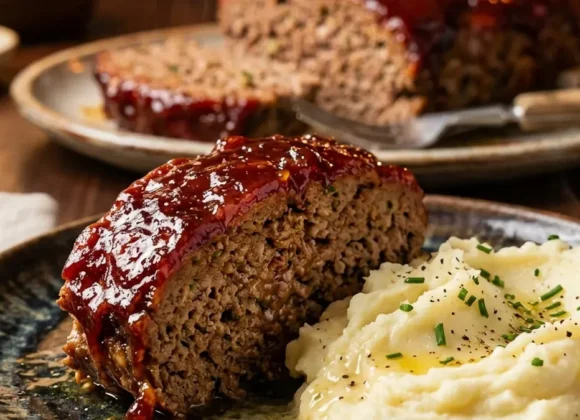
There is no side dish on earth quite as universally comforting as a steaming bowl of homemade mashed potatoes. When prepared properly, they are decadent, pillow-soft, and rich with real dairy. Whether they are forming a savory crater for rich brown gravy alongside Sunday roast or standing proudly beside a glazed meatloaf, great mashed potatoes can elevate an entire family meal from ordinary to memorable.
Yet anyone who has spent time in the kitchen knows how quickly things can go wrong. A few minor oversights can turn tender spuds into a sticky, gummy bowl of wallpaper paste or leave you with waterlogged, gritty lumps. Achieving five-star restaurant decadence requires mastering just a handful of straightforward food science principles.
Why This Homemade Mashed Potatoes Recipe Yields Ultra-Velvety Texture
The texture of mashed potatoes is dictated entirely by starch granules. Potatoes are packed with amylose and amylopectin starches trapped inside microscopic plant cells. When cooked, these cells swell with water. If you agitate or blend them aggressively, the cell walls rupture, dumping raw starch into the liquid and creating an unappealing, elastic paste. Our technique gently separates the starch cells without tearing them open.
The Best Potatoes for a Fluffy Mashed Potatoes Recipe
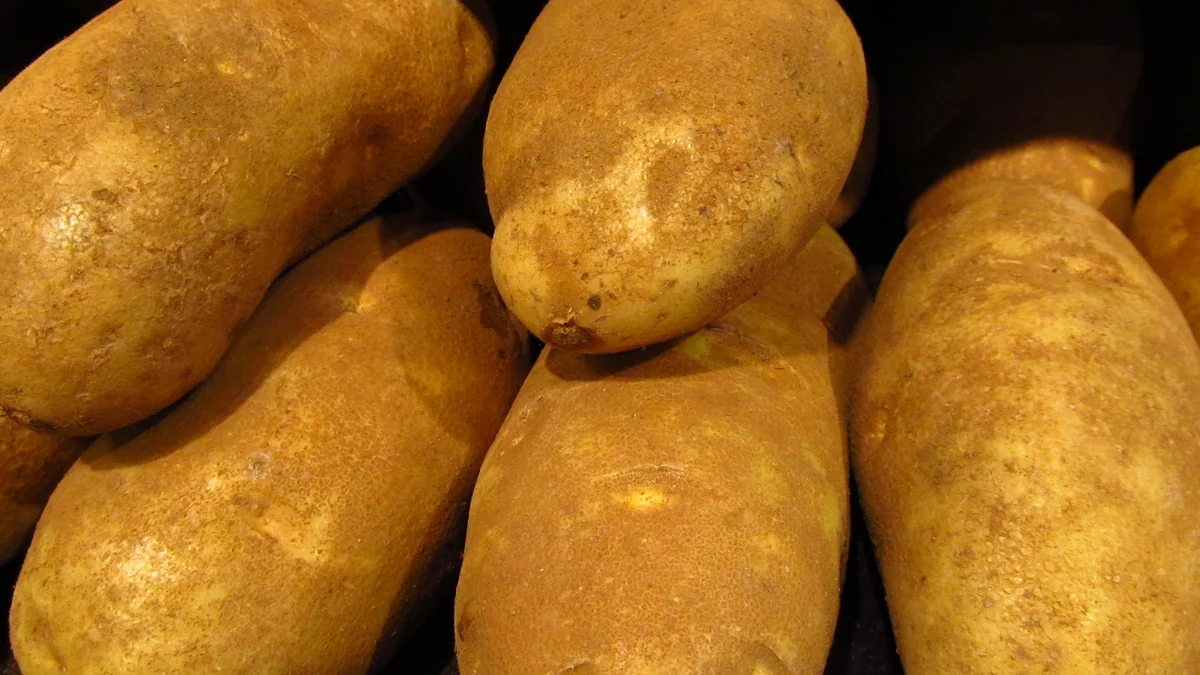
The first decision you face is at the grocery store produce aisle. Chefs generally divide potatoes into two categories: starchy and waxy. Choosing the right cultivar makes all the difference:
- Russet (Idaho) Potatoes: Russets boast the highest starch content and thick skins. Their cells burst apart into dry, floury flakes upon boiling, making them exceptionally light and capable of absorbing massive amounts of butter and cream.
- Yukon Gold Potatoes: Yukon Golds are medium-starch tubers with a naturally golden hue, thin skins, and a dense, nutty, buttery flavor that gives the dish rich body.
- The Secret 50/50 Blend: Professional kitchens rarely use just one variety. Combining equal parts Russet and Yukon Gold gives you the ultimate hybrid: the cloud-like fluffiness of the Russet married to the rich, yellow buttery backbone of the Yukon Gold.
- Avoid Red or Waxy Potatoes: Red bliss, fingerling, or new potatoes contain high sugar and low starch, holding their shape stubbornly when cooked. They are sensational for potato salads or roasting, but will turn unpleasantly gluey if mashed.
Step-by-Step Method for Lump-Free Perfection
Follow these foolproof steps to ensure light, buttery potatoes every single time.
1. Start in Cold, Generously Salted Water
Peel your potatoes and cut them into uniform two-inch chunks. Never drop raw potato chunks into already boiling water! The exterior of the potatoes will overcook and disintegrate into mush while the dense centers remain hard and raw. Place the potato chunks in a large stockpot, submerge them in cold tap water with at least one inch of water covering the top, and stir in a full tablespoon of kosher salt. Bring to a boil over medium-high heat, then reduce to a gentle simmer for 15 to 20 minutes until a paring knife slides easily into the center with zero resistance.
2. The Steam-Dry Technique
Drain the boiled potatoes thoroughly in a colander, then immediately dump them back into the empty, hot cooking pot. Return the pot to the stove over very low heat for one to two minutes, gently shaking the pot. Watch as thick clouds of steam billow out: this crucial step evaporates trapped surface moisture. If your potatoes are waterlogged, they have no room left to absorb melted butter and heavy cream.
3. Ditch the Hand Mixer: Use a Potato Ricer
Never touch cooked potatoes with a food processor, immersion blender, or electric hand mixer. The high-speed metal blades shear the swollen starch cells instantly, triggering immediate gumminess. Instead, press the warm potato chunks through a stainless steel potato ricer or food mill directly into a large bowl. A ricer extrudes fine, velvety ribbons of potato with zero physical force and zero lumps.
4. Infuse with Warm Dairy and Melted Butter
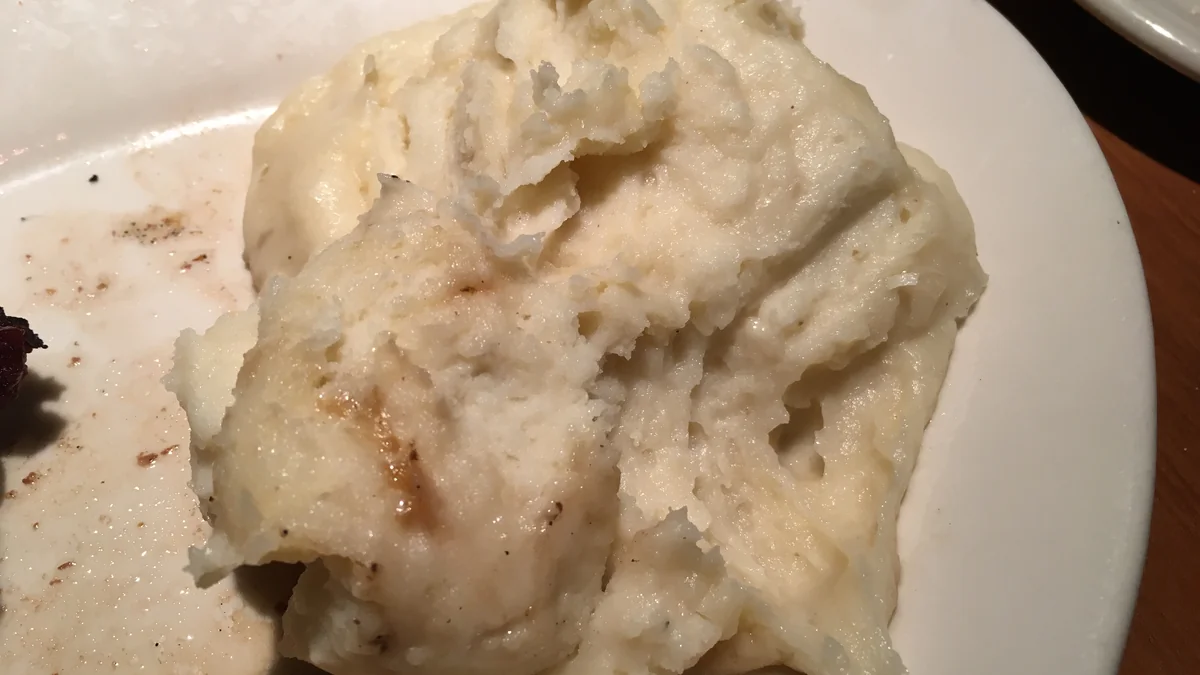
While the potatoes are boiling, gently warm one cup of whole milk, a half-cup of heavy cream, and one stick of unsalted butter in a small saucepan with two lightly crushed garlic cloves and a sprig of fresh thyme. Never pour cold refrigerator milk into hot riced potatoes, as cold dairy shocks the starch and cools the dish immediately. Pour the warm, fragrant melted butter and cream into the riced potatoes in three additions, folding gently with a silicone spatula until completely glossy and luxurious.
Make-Ahead and Holiday Entertaining Tips
Mashed potatoes are notorious for losing heat quickly, but you can keep them pristine for hours using simple kitchen hacks:
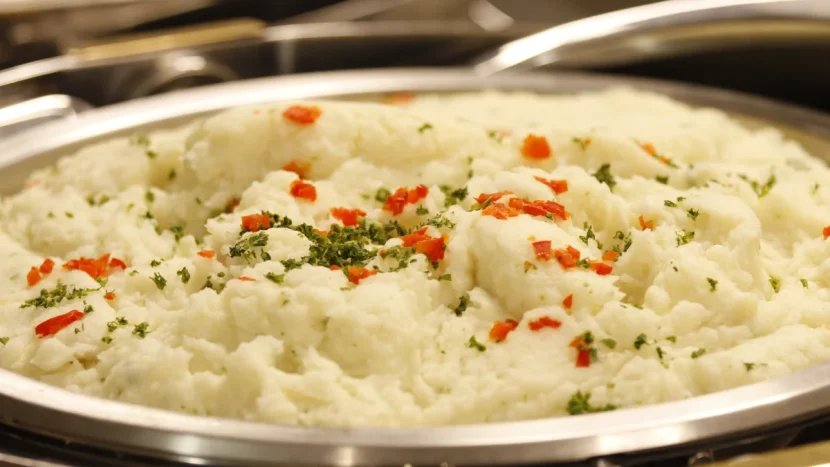
- The Slow Cooker Warm Bath: Grease the bowl of a slow cooker with butter, transfer your finished warm mashed potatoes inside, cover tightly with the lid, and set to the “Warm” setting. Stir every 30 minutes, adding an extra splash of warm cream if needed. They will stay silky and piping hot for up to three hours.
- Garlic and Herb Variations: For roasted garlic mashed potatoes, squeeze the sweet caramelized cloves of an entire head of oven-roasted garlic into the warm cream before folding it into the potatoes. Garnish with minced fresh chives and freshly cracked black pepper.
Looking for the ultimate comfort meal pairings? Serve these velvety potatoes beside our tender, brown sugar-glazed The Ultimate Classic Meatloaf Recipe or spoon them alongside a warm bowl of our slow-simmered The Ultimate Hearty Beef Chili Recipe.
Pass the butter, grab a large serving spoon, and savor the ultimate classic side dish!